Minimalism isn’t just about owning fewer things — it’s about creating more space for what actually matters. In a world filled with noise, clutter, and endless distractions, minimalist living offers a refreshing path toward clarity, intention, and peace. It isn’t about living in an empty white room or throwing away everything you own. It’s about choosing purpose over excess.
If you’ve ever felt overwhelmed by your surroundings, trapped by your belongings, or mentally foggy because your environment feels chaotic, this guide will show you how minimalism can transform both your external space and your internal world.
What Minimalist Living Really Means
A Mindset, Not a Style
Minimalism isn’t about aesthetics. It’s a mindset focused on reducing excess so you can live more freely and intentionally.
Living With Purpose
Every item you keep should serve a purpose, bring joy, or support your lifestyle.
Mental Clarity Through Simplicity
Clutter competes for your attention. A simplified environment frees mental space and reduces decision fatigue.
Why Minimalist Living Matters
Lower Stress Levels
Studies show that clutter raises cortisol — the stress hormone. A tidy space = a calmer mind.
More Time and Energy
Less cleaning, less organizing, and fewer decisions mean more time for what matters.
Financial Freedom
Minimalism naturally reduces impulse buying and encourages mindful spending.
Improved Focus and Productivity
A clean environment reduces distractions and improves mental clarity.
Signs You Need Minimalism in Your Life
- You feel overwhelmed by your belongings
- You can’t find things easily
- You avoid certain rooms because they’re messy
- You buy things to feel better
- You feel mentally drained in cluttered spaces
- Your home doesn’t feel peaceful
If you relate to any of these, minimalism can help.
How to Start Living Minimally
Step 1: Start With One Area
Don’t try to declutter your whole home at once. Start small — a single drawer, a desk, or your closet.
Step 2: Ask the Right Questions
When deciding what to keep, ask:
- Do I use this regularly?
- Does it add genuine value?
- Would I buy it again today?
- Does it bring joy?
If the answer is “no,” it likely doesn’t belong in your space.
Step 3: Sort Into Four Categories
- Keep
- Donate
- Recycle
- Trash
Avoid the “maybe” pile — it only delays decisions.
Minimalism Room by Room
1. The Bedroom
Your bedroom should be your calmest space.
Decluttering Tips
- Remove unused clothes
- Keep surfaces clear
- Limit décor
- Choose calming colors
2. The Living Room
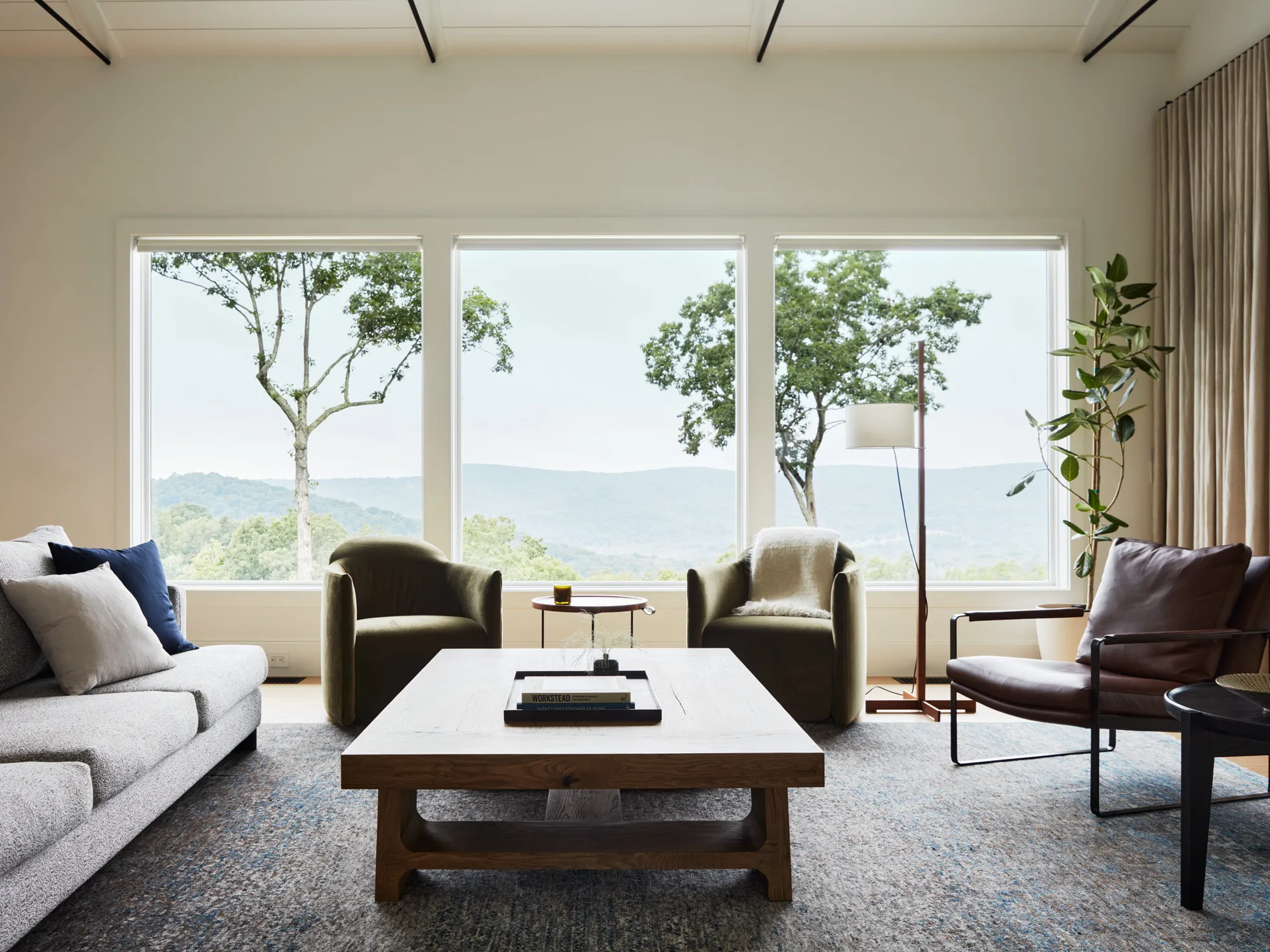
This is the heart of the home — keep it open and inviting.
Try These Changes
- Remove extra furniture
- Limit decorative items
- Use hidden storage
- Keep entertainment spaces clean
3. The Kitchen
A clutter-free kitchen makes cooking easier and more enjoyable.
Decluttering Tips
- Get rid of duplicate utensils
- Organize your pantry
- Clear countertops
- Donate unused appliances
4. The Bathroom
A clean bathroom instantly boosts your mood.
What to Remove
- Expired products
- Empty bottles
- Products you never use
- Excess towels
5. Your Digital Space
Digital clutter is just as stressful as physical clutter.
Declutter Digitally
- Delete old emails
- Organize files
- Remove unused apps
- Clean up your desktop
Minimalism for the Mind
Minimalist living isn’t only about physical spaces — it’s a tool for mental clarity.
1. Reduce Mental Clutter
Limit the number of commitments, responsibilities, and unnecessary tasks.
2. Set Daily Priorities
Pick the top 3 things that actually matter each day.
3. Limit Information Overload
Turn off excessive notifications and unfollow accounts that drain your energy.
4. Practice Mindfulness
Being present helps you appreciate simplicity.
Benefits of Decluttering Your Mind
- More focus
- Better emotional balance
- Reduced anxiety
- More mental energy
- Improved decision-making
Creating a Minimalist Lifestyle
1. Be Intentional With Purchases
Before buying, ask:
“Do I truly need this?”
2. Adopt the One-In-One-Out Rule
For every new item you bring in, remove one you no longer need.
3. Choose Quality Over Quantity
Invest in items that last.
4. Simplify Your Routines
Keep daily tasks simple and efficient.
Minimalism Doesn’t Mean Deprivation
A common myth is that minimalists live boring lives with empty homes.
But true minimalism is about:
- Freedom
- Peace
- Clarity
- Intention
- Balance
You don’t have to sacrifice comfort or style to live minimally.
Common Minimalism Mistakes to Avoid
Getting Rid of Everything Too Fast
You’ll regret it later. Declutter gradually.
Being Too Strict
Minimalism should feel freeing, not restrictive.
Comparing Your Minimalism to Others
Your lifestyle should reflect your needs, not someone else’s aesthetic.
Buying New Things to “Look Minimalist”
Minimalism isn’t a shopping trend — it’s a mindset.
Staying Consistent With Minimalist Living
Weekly Reset
Spend 10–15 minutes tidying high-traffic areas.
Monthly Declutter
Revisit spaces and remove unnecessary items.
Mindful Buying
Pause before making new purchases.
Minimalism and Emotional Attachment
Many people struggle to declutter because of emotional ties.
How to Handle Sentimental Items:
- Keep the ones that truly matter
- Take photos of items you want to remember
- Pass things on to loved ones
There’s no rule that says you have to throw away your memories.
Conclusion
Minimalist living is a powerful way to create more freedom, clarity, and peace in your life. By decluttering your home and simplifying your mind, you create space for what truly matters — joy, intention, and balance. Minimalism isn’t about less for the sake of less; it’s about clearing the unnecessary so you can live more fully. Start small, stay intentional, and watch your life transform one simplified space at a time.
FAQs
1. Do I need to throw everything away to be a minimalist?
No. Minimalism is about keeping what adds value, not living with the bare minimum.
2. How long does it take to declutter a home?
It depends on your space, but starting small and staying consistent works best.
3. Is minimalism expensive?
No — minimalism saves money because you buy less and choose more intentionally.
4. What if my family isn’t minimalist?
Start with your personal spaces. Lead by example rather than forcing change.
5. Can minimalism help with anxiety?
Yes. A clean, simple environment reduces stress and improves mental clarity.