Living a healthy lifestyle often sounds expensive. Many people imagine pricey gym memberships, organic-only groceries, costly supplements, and shiny fitness gadgets. But the truth? You can live an incredibly healthy, balanced, energetic life without spending much at all.
A healthy lifestyle isn’t about money — it’s about habits, choices, and mindset. Whether you’re a student, a young professional, a parent, or simply someone looking to improve your wellness without going broke, this guide will show you exactly how to prioritize your health on a budget. You’ll learn how to shop smarter, move your body freely, eat nutritious meals cheaply, and build a sustainable wellness routine that won’t drain your wallet.
Why Living Healthy Feels Expensive
Marketing Makes Health Look Luxurious
Health companies know how to make “wellness” look glamorous — smoothie bars, fancy yoga studios, boutique gyms. But these things aren’t required for real health.
People Overlook Affordable Alternatives
Many assume that healthy food means expensive food. But whole, natural foods are often cheaper than processed items.
Convenience Costs More
Pre-made snacks, meal kits, and takeout add up fast. Budget health relies on simple ingredients and home cooking.
The Core Principles of a Budget-Friendly Healthy Lifestyle
1. Simplicity Over Trendiness
You don’t need the latest health trends. Stick to basics, and you’ll save money and live healthier.
2. Consistency Over Intensity
A simple daily walk, home workout, or balanced meal outperforms expensive but inconsistent efforts.
3. Creativity Over Convenience
When you cook, shop smart, and improvise, you stretch your budget and improve your health.
4. Prioritization Over Perfection
Focus on the things that actually move the needle — sleep, hydration, movement, and basic nutrition.
Affordable Healthy Eating: Nutritious Meals on a Budget
Buy In-Season Produce
Seasonal fruits and vegetables are fresher, cheaper, and more nutritious.
Choose Whole Foods Over Processed Foods
Foods like rice, oats, beans, lentils, potatoes, eggs, and frozen vegetables are cheap and nutrient-dense.
Shop Store Brands
Generic products often match the quality of big brands at half the price.
Smart Grocery Strategies
1. Make a Weekly Meal Plan
Planning your meals prevents impulse buys and reduces food waste.
2. Write a Shopping List and Stick to It
Lists keep you disciplined and focused.
3. Avoid Shopping When Hungry
Hunger = expensive cravings.
4. Buy in Bulk When Practical
Bulk rice, oats, beans, or spices save money in the long run.
Cheap, Healthy Foods That Stretch Your Budget
- Oats
- Brown rice
- Pasta
- Eggs
- Potatoes
- Canned tuna or sardines
- Frozen vegetables
- Beans and lentils
- Peanut butter
- Bananas
- Whole-grain bread
These foods are affordable, filling, and loaded with nutrients.
Easy Low-Cost Meal Ideas
Breakfast
- Oatmeal with fruit
- Eggs and toast
- Greek yogurt with honey
Lunch
- Rice and beans with vegetables
- Tuna salad on whole-grain bread
- Chickpea salad bowl
Dinner
- Stir-fried vegetables with rice
- Pasta with tomato sauce and vegetables
- Lentil soup with herbs
Healthy eating doesn’t have to be complicated — or expensive.
Budget-Friendly Fitness: Movement That Costs Nothing
Walking — The Most Underrated Exercise
It’s free, accessible, and effective for weight management, heart health, and mental clarity.
Home Workouts
YouTube is filled with free, high-quality workout videos:
- HIIT sessions
- Yoga flows
- Bodyweight strength workouts
- Pilates
- Dance
No fancy equipment needed.
Use What You Already Have
- Water bottles as weights
- Chairs for dips or step-ups
- Towels for resistance
Affordable Fitness Tips
1. Use a Free Fitness App
Many offer calorie tracking, step counting, and workouts at no cost.
2. Try Outdoor Activities
Hiking, jogging, cycling, and playing sports are free or cheap.
3. Join Community Fitness Groups
Local walking clubs, park yoga, or sports meetups help you stay motivated without pricey memberships.
Healthy Habits That Cost Absolutely Nothing
Prioritize Sleep
Aim for 7–9 hours. Good sleep improves everything: metabolism, mood, focus, and overall health.
Drink More Water
Hydration boosts energy and prevents overeating.
Practice Mindfulness or Meditation
Free apps like Insight Timer make mindfulness accessible.
Deep Breathing Exercises
Calms the nervous system and helps with stress — completely free.
Stress Management Without Spending Money
- Journaling for 5 minutes
- Stretching before bed
- Listening to calming music
- Spending time outdoors
- Talking to someone you trust
Mental health practices don’t need to be expensive to be effective.
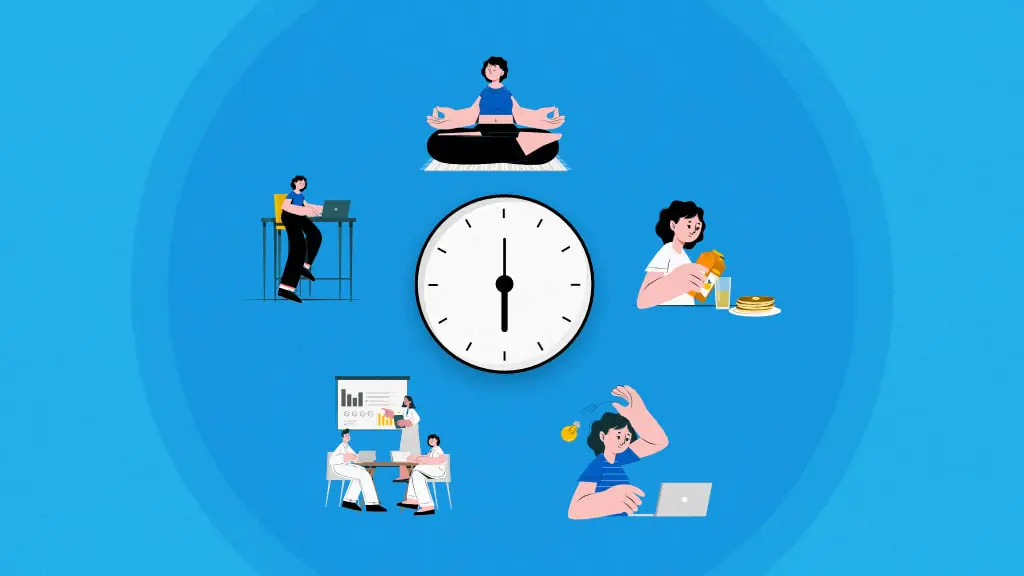
Building a Healthy Daily Routine on a Budget
Morning Routine Example
- Drink water
- Quick stretch
- Light breakfast
- 10-minute walk
Daytime Routine
- Take short, active breaks
- Pack your lunch
- Stay hydrated
Evening Routine
- Unplug from screens
- Cook a simple meal
- Relax with reading, stretching, or journaling
Consistency is more powerful than cost.
Financial Benefits of a Healthy Lifestyle
Fewer Medical Expenses
Prevention is far cheaper than treatment.
Lower Food Costs
Home cooking saves hundreds per month.
Reduced Transportation Costs
Walking or biking stretches your budget and keeps you fit.
Common Myths About Healthy Living on a Budget
“Healthy food is always expensive.”
Not true. Many nutrient-rich foods cost less than processed junk.
“You need a gym membership.”
Your living room can be a gym.
“You need supplements to be healthy.”
A balanced diet covers most needs.
“Organic is mandatory.”
No — washing produce thoroughly is enough for most people.
Conclusion
Living a healthy lifestyle doesn’t require money — it requires intention. With smart shopping habits, simple home cooking, free fitness options, and mindful daily routines, you can build a strong foundation of wellness on even the tightest budget. Instead of chasing trends or spending on unnecessary products, focus on the basics: good food, movement, sleep, hydration, and mental peace. These budget-friendly habits not only improve your health but also give you long-term financial and emotional freedom. A healthier life is completely within reach — and it starts with small, doable choices made every day.
FAQs
1. Can I eat healthy without buying organic foods?
Absolutely. Organic is optional, not essential.
2. How do I stay motivated to exercise at home?
Find workouts you enjoy and create a simple schedule.
3. Is meal prepping really cheaper?
Yes — it reduces waste, saves time, and keeps you from buying takeout.
4. Are supplements necessary for a budget lifestyle?
Most people don’t need them unless prescribed by a professional.
5. What’s the easiest free habit to start today?
Drinking more water and taking a short walk — both instantly improve your health.