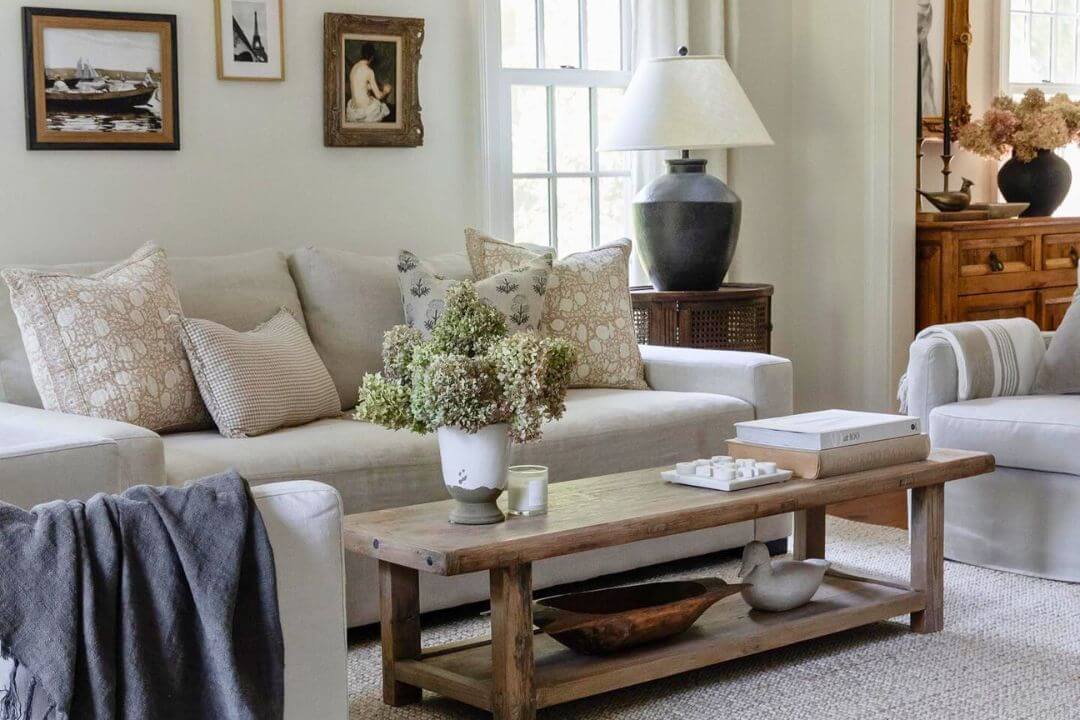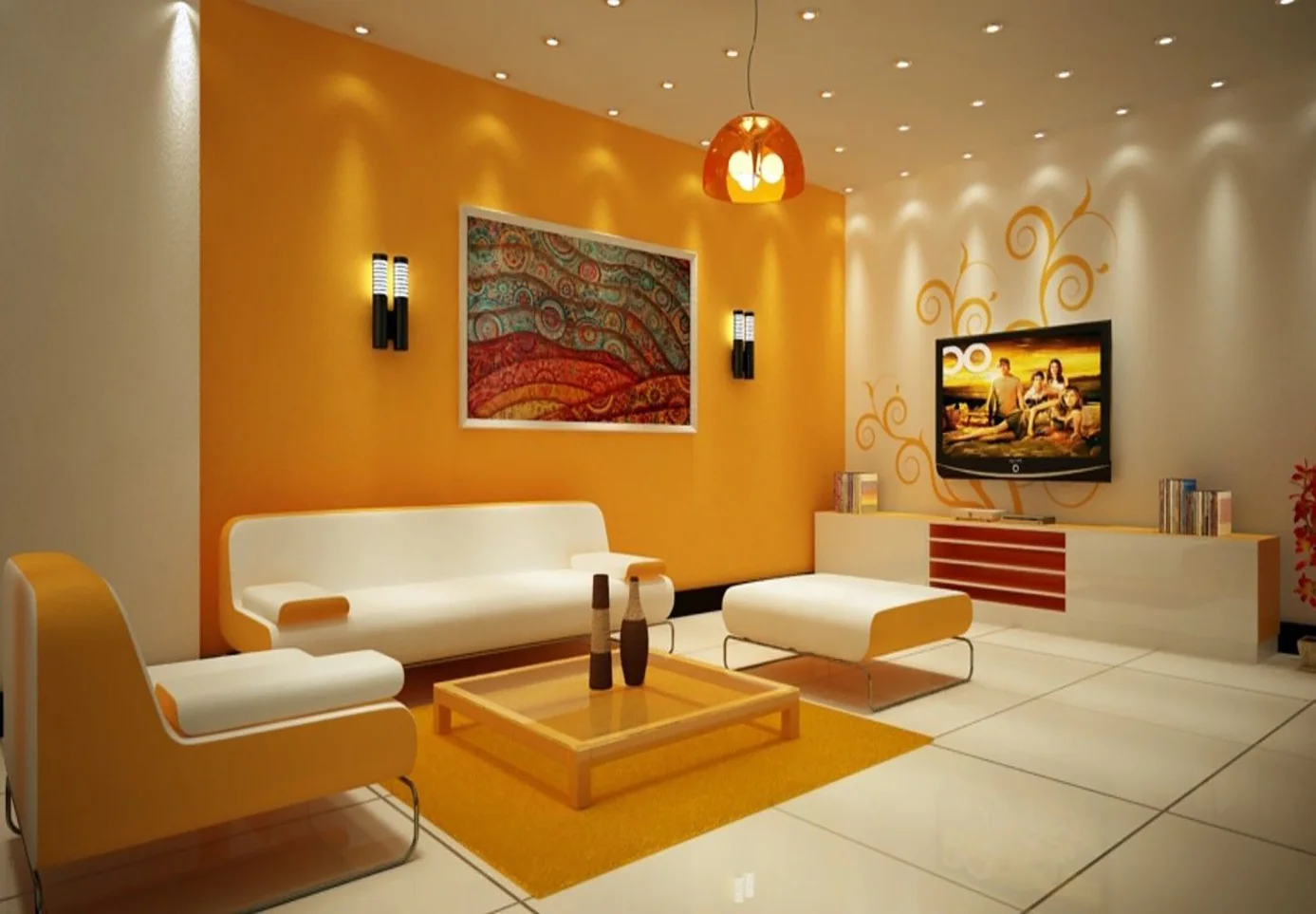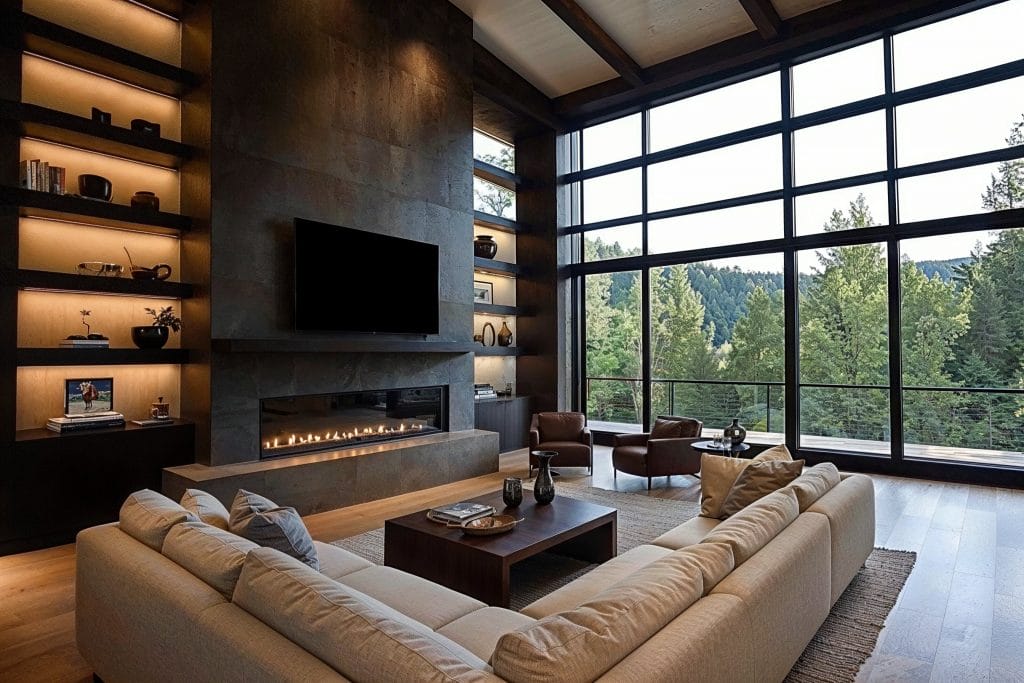
Minimalism and comfort might seem like opposites at first glance. Minimalism emphasizes clean lines, simplicity, and less clutter, while comfort is about warmth, coziness, and inviting spaces. But when combined, these two approaches create homes that are both stylish and livable — spaces where functionality meets beauty, and serenity meets personality.
In this article, we’ll explore how to merge minimalism with comfort, design strategies that make your home feel cozy without clutter, and practical tips to achieve a balanced, elegant, and inviting space.
Understanding Minimalism and Comfort
What is Minimalism?
Minimalism focuses on:
- Decluttering
- Reducing unnecessary items
- Prioritizing quality over quantity
- Creating visual clarity
It’s not about emptiness but intentionality — choosing items that serve a purpose or bring joy.
What is Comfort in Home Design?
Comfort includes:
- Cozy textures and soft materials
- Ambient lighting
- Furniture designed for relaxation
- Warm colors and inviting spaces
The goal is to feel safe, calm, and relaxed in your home.
The Principles of Cozy Minimalism
1. Simplify Your Space
- Keep only what you truly need
- Remove items that don’t serve function or beauty
- Organize storage cleverly to hide clutter
2. Prioritize Quality Over Quantity
- Choose fewer, better pieces of furniture and decor
- Durable materials improve longevity and aesthetics
3. Create Balance
- Blend open spaces with intimate corners
- Mix textures to prevent minimalism from feeling cold
Color Palettes for Cozy Minimalist Homes
Neutral Foundations
- White, beige, gray, and soft pastels
- Creates a calm, spacious feeling
Warm Accents
- Earth tones, warm wood, soft terracotta
- Introduce warmth without overwhelming simplicity
Monochromatic Layers
- Different shades of a single color
- Adds depth and texture while keeping visual harmony
Furniture Selection
Minimalist Yet Comfortable Pieces
- Sofas and chairs with simple lines
- Avoid overly ornate designs
- Focus on comfort with quality cushions and fabrics
Multi-Functional Furniture
- Beds with storage
- Foldable desks
- Nesting tables
- Hidden compartments to maintain simplicity
Lighting for Cozy Minimalism
Natural Light
- Use sheer curtains to maximize sunlight
- Mirrors reflect light to open up spaces
Ambient and Task Lighting
- Soft lamps for relaxation
- Spotlights or adjustable fixtures for tasks
Layered Lighting
- Combine ceiling lights, floor lamps, and wall sconces for depth
Textures That Add Warmth
Soft Fabrics
- Cushions, throws, and rugs in natural fibers
- Linen, cotton, and wool are perfect
Wood Elements
- Wooden furniture, shelving, and floors create warmth
- Mix light and dark wood for visual interest
Metal Accents
- Minimalist metallic touches in lamps, handles, or frames
- Adds subtle sophistication without clutter
Decluttering Without Sacrificing Style
Hidden Storage
- Cabinets, ottomans, and under-bed storage
- Keeps surfaces clean and maintains minimalist look
Open Display with Intention
- Display meaningful decor only
- Avoid overloading shelves or walls
Rotational Decor
- Swap seasonal or decorative items to keep the space fresh
- Reduces the need for permanent clutter
Creating Cozy Corners
Reading Nooks
- Soft chair, small side table, warm lighting
- Minimalist shelves for books
Relaxation Zones
- Meditation area or small sofa
- Incorporate plants and soft textures
Dining and Social Spaces
- Clean table settings, minimal accessories
- Use layered textiles to add comfort
Art and Decor in Cozy Minimalism
Wall Art
- One or two statement pieces rather than cluttered walls
- Black-and-white photography, simple prints, or abstract art
Functional Decor
- Candles, books, and stylish storage
- Combine aesthetics with practicality
Greenery
- Low-maintenance plants for texture and color
- Adds life without overwhelming the space
Smart Home Elements
Integrated Technology
- Smart lighting, thermostats, and sound systems
- Maintain a clean aesthetic by hiding devices
Automation for Comfort
- Lights adjust based on time or activity
- Smart thermostats maintain perfect temperatures
- Voice assistants for minimal interaction
Small Space Strategies
Use Vertical Space
- Tall shelves or wall-mounted furniture
- Keeps floors open for spacious feel
Folding and Modular Furniture
- Adapt spaces for work, dining, or relaxation
- Reduces clutter while maintaining functionality
Mirrors for Depth
- Reflect light and create a sense of openness
- Add minimal frames for subtle elegance
Tips for Budget-Friendly Cozy Minimalism
- Prioritize decluttering first
- Choose versatile furniture that lasts
- DIY decor with simple textures and materials
- Use paint and textiles for seasonal changes
Small, thoughtful investments can transform a space without spending a fortune.
Maintaining the Balance Over Time
- Regularly reassess items for necessity
- Rotate textiles and decor for freshness
- Keep surfaces clean and organized
- Adapt as your lifestyle evolves
A cozy minimalist home evolves with you while staying calm and inviting.
Conclusion
Minimalism and comfort are not mutually exclusive — they complement each other perfectly. By combining clean lines, thoughtful furniture, soft textures, warm lighting, and intentional decor, you can create a home that feels stylish, serene, and deeply cozy. The key is balance: simplicity doesn’t mean cold, and comfort doesn’t mean clutter. With smart planning and creativity, anyone can design a cozy, minimalist home that looks beautiful and feels like a sanctuary.
FAQs
1. Can minimalism feel cozy without looking empty?
Yes — layering textures, warm colors, and soft lighting makes minimalism inviting.
2. How do I add comfort to a minimalist space?
Use cushions, throws, rugs, and natural materials to add warmth.
3. Is small space minimalism possible?
Absolutely — focus on multifunctional furniture and smart storage.
4. Can technology fit into a cozy minimalist home?
Yes — integrate smart devices subtly without cluttering the aesthetic.
5. How do I maintain cozy minimalism long-term?
Regular decluttering, rotating decor, and thoughtful purchases keep the balance intact.