Creating a beautiful, inviting home doesn’t require a mansion or a massive budget. Small, thoughtful upgrades can dramatically improve your living space, making it feel more stylish, cozy, and functional. Home aesthetics are about balance — combining color, texture, lighting, and layout in ways that reflect your personality and lifestyle.
Whether you’re renting an apartment, living in a small home, or redecorating a larger space, understanding how to enhance your environment without spending a fortune is key. In this article, we’ll explore budget-friendly tips, design tricks, and practical advice to transform your space into a visually appealing, harmonious home.
Understanding Home Aesthetics
What Are Home Aesthetics?
Home aesthetics refer to the visual and sensory appeal of a living space. It’s more than just looking pretty — it’s about how the space feels, functions, and represents your personality.
Why Aesthetics Matter
- Boost mood and mental well-being
- Increase productivity in home offices
- Make entertaining guests more enjoyable
- Reflect personal style
A well-designed space can be both beautiful and functional, creating a sense of harmony.
Budget-Friendly Design Principles
1. Less Is More
Minimalism doesn’t mean emptiness; it means thoughtfully choosing what to keep. Reduce clutter, keep essential pieces, and let key items shine.
2. Focus on Color
Color dramatically affects perception:
- Light colors make a room feel bigger
- Dark colors add coziness and depth
- Bold accents add energy
Use paint, rugs, or cushions to experiment without overspending.
3. Balance and Symmetry
Arrange furniture and decor to create visual balance:
- Pair tall items with low ones
- Place focal points strategically
- Use symmetry to achieve harmony
Lighting: The Secret Weapon of Home Aesthetics
Natural Light
Maximize sunlight with:
- Sheer curtains
- Mirrors reflecting light
- Minimal window obstructions
Natural light instantly makes spaces feel larger and more inviting.
Artificial Lighting
Layer lighting using:
- Ambient light (main source)
- Task lighting (reading lamps, kitchen lights)
- Accent lighting (spotlights, LED strips)
Lighting can change a room’s mood entirely.
Walls: Easy Upgrades That Transform Spaces
Paint
A fresh coat of paint is cheap and impactful. Tips include:
- Choose a neutral base for versatility
- Add one accent wall for depth
- Experiment with textured finishes
Wall Art and Decor
- Framed photos or prints
- DIY artwork
- Shelving with decor items
These can add personality and sophistication without breaking the bank.
Furniture: Smart Choices on a Budget
Prioritize Key Pieces
Invest in:
- A comfortable sofa
- Functional dining table
- Quality bed
Other items can be more affordable or DIY.
Repurpose and Upcycle
- Paint old furniture
- Add new hardware to drawers
- Refinish wooden surfaces
This approach saves money and adds unique character.
Textiles: Cozy and Stylish Upgrades
Rugs and Carpets
- Define spaces in open layouts
- Add warmth and texture
- Choose washable or budget-friendly options
Cushions and Throws
- Mix patterns and textures
- Coordinate colors with walls and furniture
- Switch them seasonally for variety
Curtains and Blinds
- Light fabrics for airy spaces
- Darker fabrics for coziness
- Layering curtains adds dimension
Greenery: Plants as Decor
Benefits of Indoor Plants
- Improve air quality
- Add life and color
- Reduce stress and enhance focus
Budget-Friendly Plant Tips
- Propagate plants from cuttings
- Use DIY planters
- Start with low-maintenance varieties like snake plants or pothos
Decorative Accessories on a Budget
Mirrors
- Create the illusion of space
- Reflect natural and artificial light
- Add statement designs
DIY Decor
- Handmade wall art
- Personalized frames
- Repurposed jars and containers
Affordable Stores and Thrift Shops
- Home goods stores often have seasonal sales
- Second-hand shops offer unique items at low prices
Organizing for Aesthetics
Declutter and Streamline
- Less clutter = cleaner aesthetics
- Use baskets, shelves, and hidden storage
Functional Decor
- Storage furniture that doubles as decoration
- Hooks, racks, and boxes in stylish finishes
Seasonal Rotation
- Rotate accessories for freshness
- Use seasonal colors and textures
Smart Layout and Space Planning
Create Focal Points
- Arrange furniture around a key piece like a fireplace or artwork
- Avoid crowding spaces
Flow and Functionality
- Ensure easy movement between areas
- Optimize for purpose (work, relaxation, entertaining)
Multi-Purpose Spaces
- Combine living and work areas efficiently
- Use foldable furniture for flexibility
Technology in Home Aesthetics
Smart Lighting
- Adjust color temperature and brightness
- Schedule lights for ambiance
Smart Speakers and Hubs
- Blend functionality with design
- Integrate seamlessly with decor
Minimalist Tech Placement
- Hide cables
- Use aesthetically pleasing devices
Color Psychology in Home Decor
Warm Colors
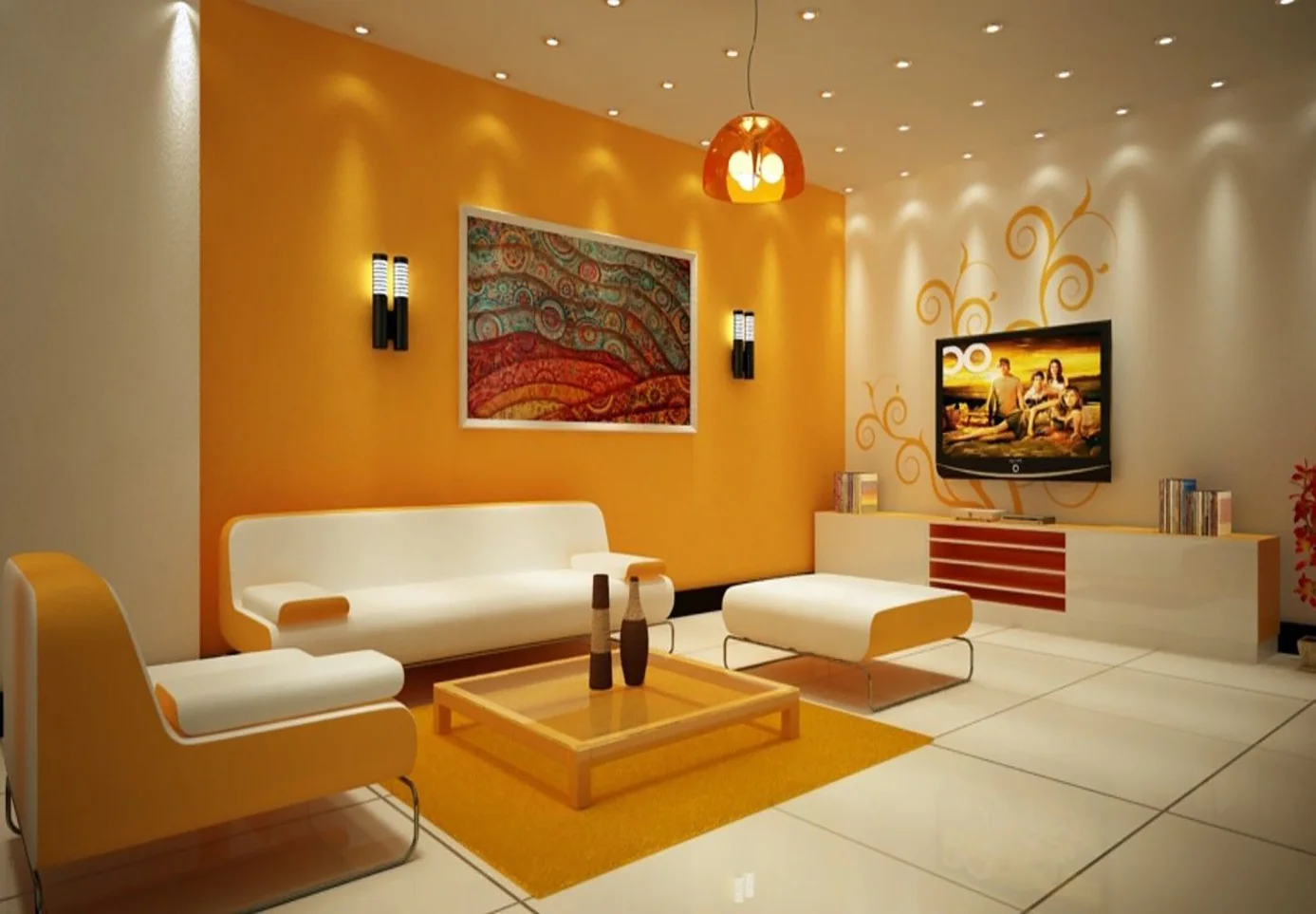
- Orange, yellow, red
- Create energy and social interaction
Cool Colors
- Blue, green, purple
- Promote relaxation and calm
Neutral Colors
- White, beige, gray
- Versatile backdrop for furniture and accessories
Final Tips for Budget Home Aesthetic Upgrades
- Start with a plan and mood board
- Prioritize changes that make the biggest visual impact
- Mix DIY projects with strategic purchases
- Don’t rush — aesthetics improve over time
Small, thoughtful changes add up to a space that feels curated and intentional.
Conclusion
Transforming your home doesn’t require an endless budget. By focusing on lighting, color, furniture, textiles, and greenery, you can create a space that feels stylish, cozy, and uniquely yours. Home aesthetics are not about perfection — they’re about harmony, functionality, and personal expression. With the right strategies, a bit of creativity, and smart spending, anyone can turn their home into a beautiful sanctuary that inspires daily comfort and happiness.
FAQs
1. Can I make my home look stylish without spending much money?
Absolutely! Focus on lighting, color, and small decorative touches.
2. What’s the easiest way to refresh a room?
Painting walls or adding accent decor like rugs, pillows, or plants.
3. How do I make a small space feel larger?
Use light colors, mirrors, and smart furniture placement.
4. Are DIY projects worth it for aesthetics?
Yes — they add personality and often cost much less than store-bought items.
5. How do I mix style and comfort on a budget?
Choose functional furniture, layered textiles, and cozy lighting to balance aesthetics and comfort.