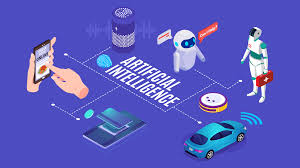
Artificial intelligence used to sound like something from a sci-fi movie — robots, futuristic cities, talking machines. But today? AI is everywhere, woven into the fabric of your daily routine in ways you might not even notice. It helps you wake up, drive to work, shop online, watch movies, talk to friends, and even manage your health.
You don’t need to be a tech expert to understand AI. In fact, if you own a smartphone, use social media, shop on Amazon, or ask Siri a question, you’re already using artificial intelligence more than you realize. This technology isn’t coming — it has arrived, and it’s quietly shaping the way you live, communicate, work, and make decisions.
This article takes you deep into the world of AI in everyday life. You’ll see how it works behind the scenes, where it shows up, how it benefits you, the risks you should know about, and how it will transform the future.
What Exactly Is Artificial Intelligence?
Artificial intelligence is simply the ability of machines to learn, think, and make decisions like humans. Not perfectly — but fast.
How AI Works in Simple Terms
AI learns patterns from huge amounts of data. For example:
- How people talk
- What products they buy
- What shows they watch
- How traffic flows
- What diseases look like on medical scans
Once it learns, it can predict or make decisions:
- What movie you’ll like next
- When you should leave home to avoid traffic
- How to prevent errors in your workplace
- Which emails are spam
AI is like a silent assistant working in the background, always learning and improving.
AI in Your Morning Routine
Your Phone’s Alarm and Sleep Tracking
AI analyzes your sleep patterns to wake you during lighter sleep cycles, helping you feel less tired.
Weather Predictions
Apps like Weather.com use AI to predict temperature, storms, and hourly forecasts with surprising accuracy.
Smart Coffee Machines
Some smart appliances even learn your habits — when you wake up, how you like your coffee, and when to start brewing.
AI While You’re on the Move
Navigation Apps
Google Maps and Waze rely heavily on AI. They analyze:
- Traffic
- Accidents
- Weather
- Road closures
- Driving patterns
Then they give you the fastest route — updated in real time.
Ride-Sharing Apps
Uber and Lyft use AI to:
- Match drivers and riders
- Set dynamic pricing
- Predict busy zones
- Improve safety
Cars With AI Features
Modern cars include:
- Lane assistance
- Automatic braking
- Adaptive cruise control
- Parking assistance
These features come from AI analyzing sensors around the car.
AI in Communication
Smart Assistants
Siri, Google Assistant, and Alexa listen to your voice, interpret your commands, and respond with AI-driven accuracy.
Email Filters
Spam filters are entirely AI-powered. They catch suspicious emails before you ever see them.
Auto-Correct and Predictive Text
Your phone learns your typing style to predict your next words and correct spelling errors.
AI in Entertainment
Streaming Recommendations
Netflix, Spotify, and YouTube know your preferences — sometimes better than you do.
Their AI analyzes:
- Watch time
- Pause points
- Likes/dislikes
- Repeats
- Genre interest
Then it recommends exactly what you’re likely to enjoy next.
Gaming
AI powers advanced NPC behavior, adaptive difficulty, and realistic environments.
AI in Shopping and E-Commerce
Product Recommendations
Amazon’s recommendation engine is one of the most advanced AI systems in the world.
It considers:
- Browsing history
- Purchase patterns
- Wish lists
- Similar user behavior
Then it shows products you’re likely to buy.
Smart Pricing
AI adjusts prices based on:
- Demand
- Inventory
- Season
- Competitor pricing
Fraud Detection
Banks and payment apps use AI to block suspicious transactions instantly.
AI at Work
Email Automation
Tools like Gmail predict replies and prioritize important emails.
Task Management
AI helps schedule meetings, track deadlines, and organize workload.
Data Analysis
AI tools can analyze huge reports in seconds and extract insights for business decisions.
Customer Support
Chatbots handle questions instantly, reducing customer wait times.
AI in Healthcare
Medical Imaging
AI can detect tumors, fractures, and abnormalities faster than many experts.
Wearable Devices
Smartwatches track:
- Heart rate
- Sleep
- Oxygen levels
- Stress levels
AI interprets the data to give you personalized health insights.
Disease Prediction
AI models can predict risks for conditions like diabetes, heart disease, and cancer.
AI in Finance
Budgeting Apps
AI helps you track spending, categorize expenses, and suggest saving strategies.
Credit Score Monitoring
AI analyzes financial behaviors and predicts credit risks.
Investment Management
Robo-advisors invest your money automatically using advanced algorithms.
How AI Helps You Save Time
- Sorting emails
- Automating tasks
- Recommending content
- Simplifying shopping
- Helping with navigation
- Filling forms automatically
AI reduces the mental load, letting you focus on more meaningful activities.
How AI Helps You Save Money
- Smart thermostats reduce energy bills
- Budget apps prevent overspending
- Ride apps find cheaper routes
- Online shopping shows the best deals
- Robo-advisors offer low-cost investing
AI isn’t just about technology — it impacts your financial health.
Potential Risks of AI
Privacy Concerns
AI collects a lot of data, sometimes more than users realize.
Bias in Algorithms
If AI is trained on biased data, the results can be unfair.
Job Displacement
Certain jobs may be automated in the future.
Over-Reliance on Automation
Too much automation can reduce human decision-making skills.
How to Use AI Safely and Wisely
1. Manage Your Privacy Settings
Always check what apps are tracking.
2. Verify Information
Don’t rely solely on AI for facts — especially with chatbots.
3. Balance Automation With Human Judgment
Use AI as a tool, not a replacement.
4. Keep Learning
Understanding AI prepares you for future changes in work and life.
Future of AI in Everyday Life
Hyper-Personalized Experiences
Apps will know:
- Your preferred meals
- Your ideal schedule
- Your learning style
- Your health needs
Smarter Homes
Homes will adjust lighting, temperature, and appliances automatically.
AI-Driven Workplaces
Expect automation to handle repetitive tasks, allowing humans to focus on creativity.
Improved Healthcare
AI may predict illnesses before symptoms appear.
Safer Roads
Self-driving vehicles will reduce accidents dramatically.
Conclusion
AI isn’t just a technological trend — it’s a daily companion. It guides your morning routine, keeps you entertained, helps you communicate, protects your finances, improves your health, and impacts nearly every task you perform. And the best part? Most of this happens silently, behind the scenes. As AI continues to evolve, it will reshape how you live, learn, work, and interact with the world. The future of AI isn’t distant — it’s already here, and you’re living in it every day.
FAQs
1. Is AI always listening on my phone?
Only if you enable voice assistant features, but you can turn them off.
2. Will AI replace human jobs?
Some tasks may be automated, but new jobs will also be created.
3. Is AI safe to use?
Yes, if you manage privacy settings and use trusted apps.
4. How is AI different from regular software?
AI learns and improves over time — traditional software doesn’t.
5. Which AI tools should everyone use?
Smart assistants, budgeting apps, health wearables, and translation tools are great for everyday life.