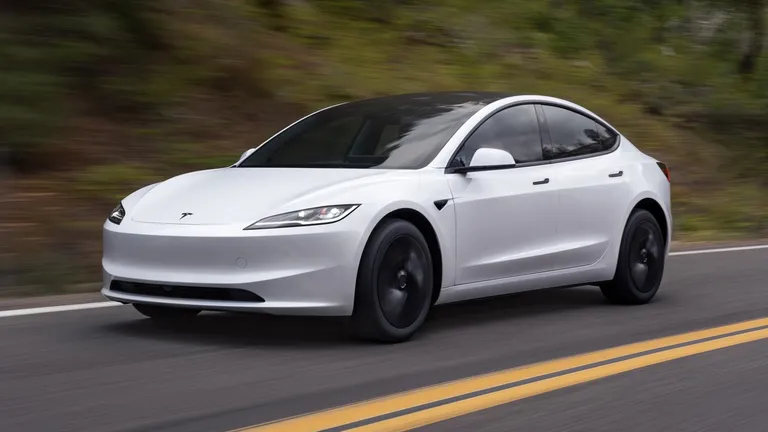
If someone told you twenty years ago that cars would one day drive themselves, you probably would have laughed it off as a sci-fi fantasy. Yet here we are—living in an era where cars can stay in their lanes, avoid collisions, brake faster than humans, analyze their surroundings, and even make decisions on the road. Autonomous technology is no longer a futuristic concept; it’s rapidly becoming a normal part of our everyday driving experience.
The shift toward autonomous driving is transforming how we commute, how we think about car ownership, and even how we design our cities. In this article, we’ll break down how autonomous tech is reshaping daily driving, why it matters, what’s coming next, and how it’s gradually changing the roads beneath our wheels.
The Evolution of Autonomous Driving
From Manual Control to Intelligent Assistance
Cars have evolved dramatically. The journey began with simple driver aids like power steering and cruise control. Later came anti-lock braking systems and traction control. Today, we have vehicles equipped with dozens of sensors, cameras, and computers working together to interpret the world around them.
A Technological Leap Forward
Modern autonomous technology integrates:
- Artificial intelligence
- Machine learning
- Real-time environmental mapping
- High-precision sensors
- Radar and LIDAR systems
- Vehicle-to-vehicle communication
The result? Cars that think, react, and adapt faster than any human can.
Understanding the Levels of Autonomy
The Five Defined Levels
Autonomous driving is categorized into levels based on how much control the car can take:
Level 1: Basic Assistance
The car can handle either steering or acceleration/braking but not both.
Level 2: Partial Automation
The car can steer, accelerate, and brake simultaneously, but the driver must remain alert.
Level 3: Conditional Automation
The vehicle manages most aspects of driving under specific conditions while the driver stays ready to intervene.
Level 4: High Automation
The car can handle nearly all driving tasks independently in designated locations or conditions.
Level 5: Full Automation
The ultimate goal — a car with zero human involvement. No steering wheel, no pedals, no driver.
We are currently living between Level 2 and Level 3. Level 4 is being tested in major cities, and Level 5 will eventually redefine transportation entirely.
How Autonomous Cars Perceive the World
A 360-Degree View Without Blind Spots
Humans have limits. We get distracted. We look away. Cars don’t.
Autonomous vehicles rely on a combination of advanced tools:
Cameras
Capture lane markings, pedestrians, traffic signs, and vehicles.
Radar
Works perfectly in bad weather, detecting objects and distance.
LIDAR
Creates a precise 3D map of surroundings using laser pulses.
Ultrasonic Sensors
Used for parking and low-speed maneuvering.
Artificial Intelligence
Processes millions of pieces of data per second to make real-time decisions.
Together, these systems give cars a sharper awareness than any human driver.
Why Safety Is the Heart of Autonomous Technology
Reducing Human Error
Human mistakes cause the majority of road accidents—speeding, distraction, fatigue, or poor judgment. Autonomous tech eliminates these issues by:
- Detecting dangers earlier
- Reacting faster
- Maintaining proper distance
- Avoiding distractions
Better Stability and Control
AI-enhanced driving ensures smooth braking, seamless lane changes, and consistent driving behavior in all environments.
Life-Saving Automated Features
Autonomous features already saving lives include:
- Automatic emergency braking
- Lane departure prevention
- Pedestrian detection
- Blind-spot warning
- Rear cross-traffic alert
Your car is now your co-pilot.
Autonomous Features You Use Without Realizing
Driving Assistance in Everyday Life
Most drivers today are already using some level of autonomy:
Adaptive Cruise Control
Maintains speed and safe distance intelligently.
Lane Keeping Assist
Helps you stay centered on the road.
Traffic Jam Assist
Handles low-speed stop-and-go traffic.
Parking Assistance
Your car now parks with more precision than most people.
Hands-Free Convenience
Convenience is where autonomy shines—long drives feel smoother, commutes feel less stressful, and small mistakes are corrected automatically.
How Autonomy Simplifies Everyday Driving
Making Driving More Comfortable
Autonomous tech creates a more relaxed driving experience:
- Stress-free highway driving
- Effortless parallel parking
- Smart acceleration patterns for efficiency
- Automatic speed adjustments
Driving becomes less about effort and more about flow.
Smarter Navigation and Traffic Prediction
Cars with autonomous tech can predict traffic patterns, choose the safest routes, and reduce travel time significantly.
Autonomy in Busy City Environments
Handling Chaos with Precision
Cities are complicated—bikes, buses, pedestrians, constant stops. Autonomous cars thrive in this complexity by:
- Identifying pedestrians instantly
- Detecting cyclists
- Reading signs and signals
- Navigating narrow streets
Avoiding Accidents in Tight Spaces
Cross-traffic warnings, 360° camera systems, and rear collision alerts provide a level of safety humans alone can’t match.
Connectivity: The Silent Backbone of Autonomy
Communication Among Vehicles
Vehicle-to-vehicle communication allows cars to:
- Share location data
- Avoid collisions
- Alert each other to hazards
Smart Road Integration
Cars also interact with traffic lights and road infrastructure, leading to smoother flow and fewer congested zones.
Driverless Ride-Sharing: The Future of Travel
Revolutionizing Modern Transportation
Companies worldwide are investing in autonomous fleets for:
- Lower operational costs
- Consistent safety standards
- 24/7 availability
Driverless taxis are already being tested in several major cities.
Changing the Insurance and Ownership Landscape
Lower Accident Rates = Cheaper Insurance
When machines prevent crashes, insurance claims drop significantly.
New Financial Models
Car manufacturers may eventually take responsibility for autonomous-related accidents, shifting liability away from drivers.
Decline in Personal Ownership
With autonomous ride-sharing, fewer people may need personal vehicles.
Challenges Autonomous Tech Still Faces
Technological Limitations
Harsh weather conditions such as snow, fog, or heavy rain can disrupt sensors.
Regulatory Barriers
Laws vary widely, slowing down universal adoption.
Public Skepticism
Many drivers don’t fully trust AI with complete control yet.
High Cost
Advanced sensors are expensive, but prices are slowly dropping.
The Future of Autonomous Driving
What’s Coming Next?
Within the next decade, expect:
- Cars without steering wheels
- Personalized AI driving styles
- Hyper-accurate road mapping
- Fully autonomous highways
Driving will be more efficient, cleaner, and safer than ever before.
Conclusion
Autonomous technology is reshaping the way we drive, commute, and interact with transportation. What started as basic driver assistance has evolved into a highly intelligent, safety-focused system capable of transforming our daily routines. While challenges remain, the future is clearly steering toward smarter, safer, and more autonomous roads. Every year, the technology grows sharper, more reliable, and more integrated into our lives. The road ahead is changing—and it’s changing fast.
FAQs
1. Are autonomous cars safer than human drivers?
Yes. Autonomous cars react faster, see more, and avoid distractions, making them significantly safer in controlled conditions.
2. Will autonomous cars eliminate traffic?
They won’t eliminate traffic entirely, but they will reduce unnecessary braking, collisions, and congestion-causing errors.
3. Can autonomous vehicles drive in bad weather?
Some can, but extreme weather like heavy snow or fog still challenges sensors.
4. Will autonomous cars be affordable someday?
Absolutely. As technology becomes mainstream, costs will drop, just like any new innovation.
5. Do autonomous cars still need a driver?
Most current systems still require human supervision, but future Level 5 vehicles will operate entirely without human input.