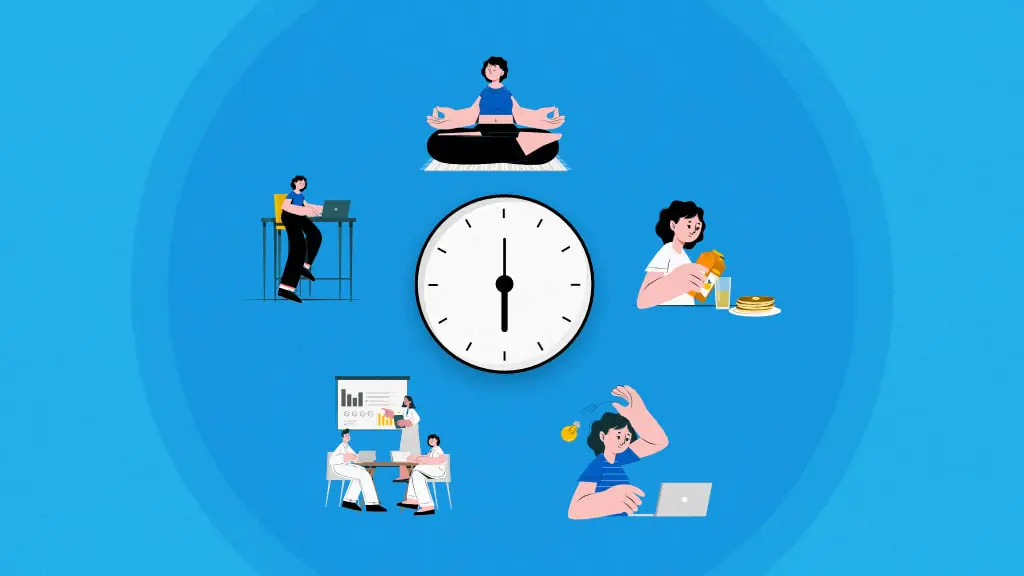
In a world where everything moves fast—notifications buzzing, deadlines approaching, responsibilities piling up—it’s easy for mental well-being to slip through the cracks. But improving your mental health doesn’t always require a major lifestyle overhaul. Small, consistent daily habits can have an enormous impact on how you feel, think, and function.
This guide breaks down simple habits anyone can implement to boost mental well-being, reduce stress, and build a healthier, happier mind. No complicated routines, no expensive tools—just practical strategies that genuinely work.
Why Mental Well-Being Matters
The Foundation of a Better Life
Your mental health affects every corner of your life—your focus, your relationships, your creativity, and even your physical health. Improving your emotional and mental balance creates a stronger foundation for everything else you want to achieve.
Stress Is Quiet but Powerful
Modern life introduces constant micro-stressors. Over time, they build up and drain your energy without you even noticing. Daily mental health habits help combat this invisible load.
The Science Behind Small Habits
Why Tiny Actions Work
Small habits affect the brain’s reward system. Each time you complete one, your brain releases dopamine—the “feel good” neurotransmitter—making it easier to repeat the habit.
Consistency > Intensity
Meditating for 3 minutes daily is more powerful than doing 30 minutes once a week. The brain thrives on routine and repetition.
Daily Habits That Instantly Improve Your Mental Well-Being
1. Morning Sunlight Exposure
Spending 5–10 minutes outdoors shortly after waking up regulates your circadian rhythm, boosts serotonin, and improves mood.
Benefits:
- Better sleep
- More energy
- Reduced stress
2. Hydrate Early
Your brain is 75% water. Overnight dehydration affects concentration, mood, and memory.
Try this habit:
Drink a full glass of water within the first 10 minutes of waking.
3. Practice 5-Minute Mindfulness
You don’t need long meditation sessions to benefit. A simple breathing exercise can calm your nervous system instantly.
Simple practice:
Inhale for 4 seconds → Hold for 4 → Exhale for 6.
4. Move Your Body
Movement releases endorphins—your natural stress-relief chemicals.
Easy options:
- 10-minute walk
- Light stretching
- Dance to one song
- Chair yoga
5. Declutter One Small Area
A messy environment leads to a messy mind. Keeping small spaces tidy reduces mental load.
Try decluttering:
- Your desk
- Your nightstand
- Your car
- Your inbox
6. Limit Social Media in the Morning
Doomscrolling instantly increases anxiety and stress. Starting your day grounded helps protect your mind.
Helpful tip:
Keep your phone on airplane mode for the first 30 minutes after waking.
7. Practice Gratitude
Writing or simply thinking of three things you’re grateful for shifts your brain toward positivity and resilience.
8. Eat Mood-Friendly Foods
Your gut is linked directly to your brain. Feeding it well improves mood, energy, and focus.
Mood-boosting foods:
- Berries
- Nuts
- Salmon
- Dark chocolate
- Yogurt
9. Connect With Someone Briefly
Humans are wired for connection. A short positive interaction boosts oxytocin—the bonding and happiness hormone.
Options:
- Text a friend
- Say good morning to someone
- Compliment a coworker
10. Take Mindful Breaks
Instead of pushing through the day nonstop, give your brain quick pauses.
Effective 1-minute breaks:
- Look out a window
- Stretch your neck
- Close your eyes and breathe
- Sip water slowly
Evening Habits That Boost Mental Well-Being
Wind Down Slowly
A calmer night leads to a calmer mind the next day.
Ideas:
- Dim lights
- Light stretching
- Reading
- Warm shower
Reflection Journaling
Write a few sentences about your day—what went well, what didn’t, and what you’re proud of.
Digital Detox
Screens overstimulate the brain and interfere with sleep quality. Try disconnecting 30–60 minutes before bed.
Prioritize Sleep Hygiene
Good sleep is the best antidepressant, mood stabilizer, and stress reducer.
Make your room sleep-friendly:
- Cool temperature
- No bright lights
- Comfortable bedding
Building Consistency With Daily Mental Health Habits
Start With One Habit
Pick the habit that feels easiest and stick to it for 7 days.
Stack Your Habits
Attach new habits to existing ones—for example:
“After brushing my teeth, I will meditate for one minute.”
Reduce Barriers
Keep things simple:
- Keep a notebook by your bed
- Lay out workout clothes
- Keep water by your nightstand
Small Habits, Big Transformation
The beautiful thing about mental well-being is that tiny actions add up. You don’t need a perfect routine or expensive solutions. You just need consistency and intention. Over time, these small changes rewire your brain for calm, clarity, focus, and happiness.
Conclusion
Improving your mental well-being doesn’t require major life changes. Small daily habits—hydration, sunlight, movement, gratitude, mindful pauses, better sleep—can dramatically elevate your mood, reduce stress, and build emotional resilience. When practiced consistently, these habits become part of who you are, creating long-lasting positive change. Your mental well-being is not a luxury—it’s essential. And nurturing it can start with just a few minutes a day.
FAQs
1. How long does it take to see mental health improvements from daily habits?
Most people feel small improvements within a week and deeper results in 30–60 days.
2. What’s the easiest habit to start with?
Hydrating early or taking a short morning walk are the simplest and most effective.
3. Do I need to meditate to improve mental health?
No—any mindfulness practice helps, even deep breathing or journaling.
4. Can small habits really make a big difference?
Absolutely. Small, consistent actions create long-term brain and mood changes.
5. What if I miss a day?
Just continue the next day. Progress is about consistency, not perfection.