Life today feels like a constant race. We’re rushing to work, rushing to meet deadlines, rushing through conversations, rushing through meals — rushing through life. The result? Stress, burnout, overwhelm, and a feeling that time is slipping away faster than we can catch it.
Slow living is the antidote to this chaos. It’s a lifestyle built on presence, intention, and mindfulness. It invites you to breathe, enjoy, notice, connect, and truly live, instead of merely getting through the days. This guide breaks down the art of slow living and shows you how to integrate it into your daily life — no matter how busy you are.
What Slow Living Really Means
A Return to Intentional Living
Slow living isn’t about doing everything slowly. It’s about doing things deliberately, with awareness and purpose.
Quality Over Quantity
Instead of stuffing your schedule, slow living encourages deeper, richer experiences.
Being Present
It shifts your focus from what’s next to what’s happening now.
Why Slow Living Matters in Today’s World
Reducing Burnout
Constant hustle leads to physical and emotional exhaustion. Slow living restores balance.
Improving Mental Health
Mindful, intentional activities reduce anxiety and ground your mind.
Stronger Relationships
When you’re present, your connections deepen naturally.
Better Life Satisfaction
Slowing down increases gratitude, creativity, and joy.
The Core Principles of Slow Living
1. Presence Over Productivity
It’s not about how much you do, but how deeply you experience it.
2. Simplicity Over Excess
You remove what’s unnecessary to make room for what matters.
3. Rhythm Over Rush
Slow living encourages natural, steady daily rhythms instead of frantic pacing.
4. Connection Over Distraction
Technology often disconnects us from life; slow living brings us back into connection.
How to Begin Practicing Slow Living
Start by Slowing Down Your Mornings
Instead of jumping into your day:
- Sit quietly for a minute
- Breathe slowly
- Stretch
- Drink water mindfully
A calm morning creates a calm day.
Simplify Your Schedule
Being overly busy is not a badge of honor — it’s a recipe for stress.
How to simplify:
- Say no more often
- Remove nonessential tasks
- Avoid overcommitting
- Leave space for rest
Create Tech Boundaries
Constant notifications keep your brain in overdrive.
Slow living tech habits:
- Limit screen time
- No phones during meals
- Turn off non-essential notifications
- Have “offline hours” daily
Practice Mindfulness
You don’t need to meditate for hours to be mindful.
Be mindful by:
- Paying attention to your breathing
- Focusing on the present moment
- Noticing the details of your surroundings
- Eating slowly and with awareness
Embrace the Power of Saying “No”
When you say no to things that don’t matter, you say yes to the things that do.
Slow Living Through Daily Actions
1. Eat Slowly
Enjoy your meals without rushing. Taste everything. Chew mindfully.
2. Walk Instead of Rush
Even a slow 5-minute walk can calm your nervous system.
3. Take Breaks
Your brain needs rest to function well. Short pauses increase clarity and reduce stress.
4. Do One Thing at a Time
Multitasking is a myth — focus on one task, and you’ll do it better and feel more at peace.
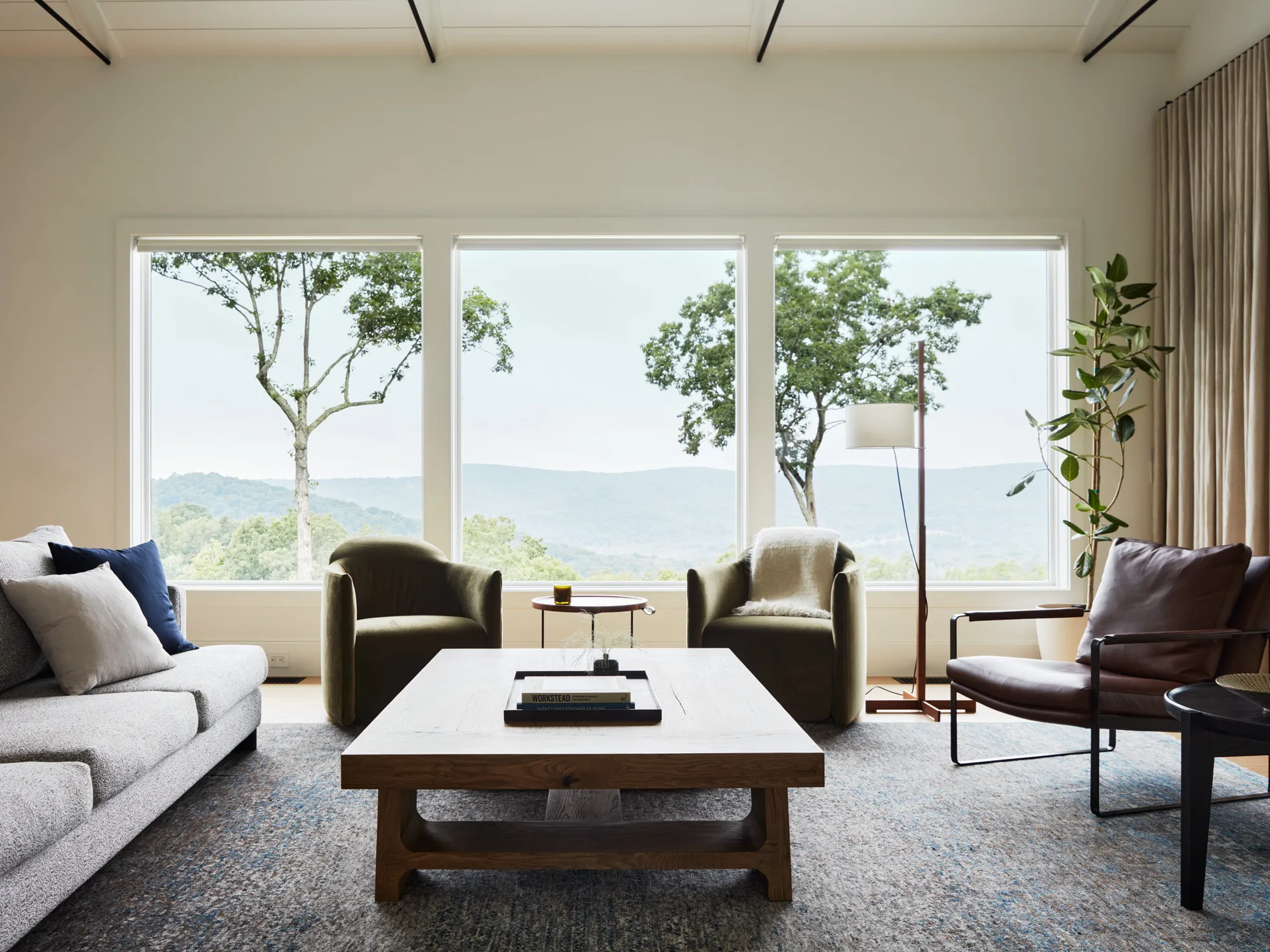
5. Create Peaceful Spaces
A calm environment helps your mind slow down naturally.
Try this:
- Light a candle
- Keep your space tidy
- Use soft lighting
- Add natural elements like plants
Slow Living and Your Home Environment
Declutter Your Space
Clutter pulls your attention in many directions. A clean environment encourages a slow mind.
Create “Slow Corners”
Design areas meant for rest:
- A reading nook
- A cozy corner with pillows
- A quiet outdoor spot
Choose Natural Elements
Wood, plants, natural fibers, and neutral colors create a grounding atmosphere.
How Slow Living Improves Relationships
More Meaningful Conversations
Being present helps you listen deeply and connect authentically.
Less Irritability
When you’re calm, you’re more patient and understanding.
Quality Time Over Quantity Time
A slow, intentional 10-minute conversation can be more meaningful than hours spent distracted.
Slow Living and Mental Health
Lower Stress Levels
Your mind stops operating in fight-or-flight mode.
Better Emotional Regulation
You respond instead of react.
Greater Clarity and Focus
A calm mind can think more clearly.
More Joy and Gratitude
Slowing down helps you notice small moments of beauty.
Incorporating Slow Living Into Work Life
Take Conscious Breaks
A 3-minute pause can reset your mind.
Focus on Deep Work
Work with full focus instead of constant switching.
Set Boundaries
Turn off notifications outside work hours.
Avoid Overloading Your Schedule
Protect your mental energy.
The Power of Doing Nothing
In slow living, rest is productive.
Moments of stillness allow your mind to process emotions, clear clutter, and reset.
Examples of Simple Slow Living Practices
- Having tea without distractions
- Journaling for 5 minutes
- Sitting quietly before bed
- Taking slow sips of water
- Watching the sunset
- Enjoying a warm bath
These tiny moments create powerful emotional shifts.
Common Misconceptions About Slow Living
“Slow living is lazy.”
False — it’s about being intentional, not inactive.
“You can only practice slow living if you’re wealthy.”
Not true — slow living values simplicity, not luxury.
“It requires a lot of time.”
In reality, slow living gives you more time by removing unnecessary noise.
Conclusion
Slow living is a mindset that helps you reclaim your time, your peace, and your joy. In a fast-paced world, it’s a powerful reminder that life isn’t meant to be rushed through — it’s meant to be experienced. By embracing intentionality, simplifying your routines, and practicing mindfulness, you can create a life filled with meaning, calm, and clarity. Slow living doesn’t require a dramatic lifestyle change; it starts with small moments of presence that grow into a deeply fulfilling way of life.
FAQs
1. Can I practice slow living even if I have a busy job?
Yes — even small mindful habits can bring slow living into a busy schedule.
2. Is slow living the same as minimalism?
They complement each other but aren’t the same. Slow living focuses on pace and presence, while minimalism focuses on simplicity and reducing excess.
3. Do I need to quit social media to practice slow living?
Not at all. You just need healthier boundaries.
4. How long does it take to feel the benefits?
Most people feel calmer within a few days of slowing down intentionally.
5. Can families practice slow living together?
Absolutely — it can improve communication, bonding, and household harmony.